
The genealogist’s profession
A true historical investigator
At the crossroads of law, foreign languages and investigation, the genealogist goes back in time to trace a family’s lineage or to search for heirs. Rigorous and patient, they work in archives, civil registers and other official records to find a lead. Called in during the settlement of an estate, they are instructed to find the heirs or the beneficiaries of deeds.
Skills
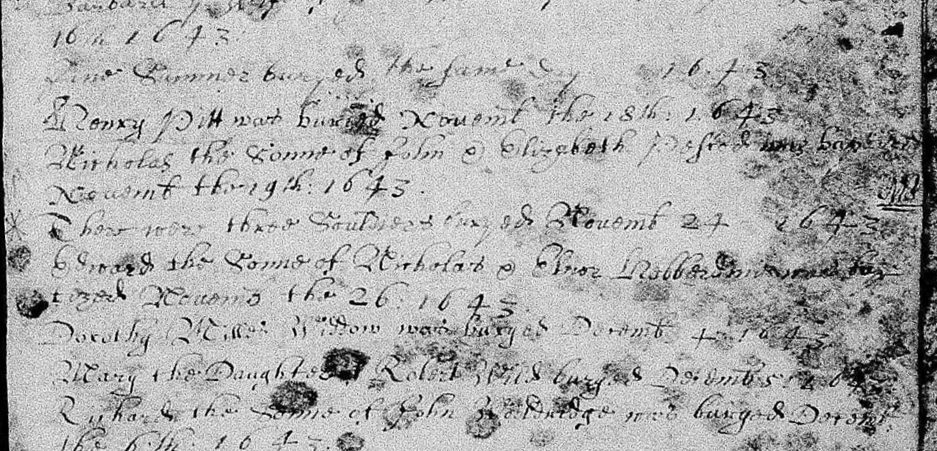
The profession requires a wide range of knowledge and extensive research in archives, civil registers, censuses, tax records and other official documents.
Foreign languages are an asset: more and more families are scattered around the world, and cases increasingly lead abroad.
The genealogist must know the basics of law to analyse the data collected and understand its present-day consequences. They work methodically and know how to check the accuracy of what they find.
Activities
The probate genealogist is most often instructed to find heirs or confirm a devolution in a complex estate. They also work on unclaimed or vacant estates, or search for the owner of a property.
Qualities
- Perseverance
- Rigour
- Patience
- Thoroughness
Frequently asked questions
A genealogist has contacted me. Can I trust them?
This profession is not the first one people think of when it comes to estates, but more and more cases are handled by a genealogist. They will be your first point of contact, to make sure the right person has been found. Rest assured that a genealogist will never ask you to pay anything in advance. You can check here if he is registered here : https://genealogistes-france.org/qui-sommes-nous/holders-of-professional-cards/
If I have no money to advance, how are you paid?
When a notary instructs a genealogist to find the heirs of a deceased person, the genealogist receives no financial support from the notary. They are paid a percentage that depends on the degree of kinship between the deceased and the heir, not on the value of the estate, which the genealogist usually does not know. The percentage applies to the heir’s net share, not to the whole estate. The genealogist pays all research costs in advance, with no refund if the search fails (no heir found, for example). Being paid from your share, they will never lead you to accept an estate whose debts exceed its assets.
A case to entrust to us?
Call us or write to us: we reply quickly, whether you are in France or abroad.